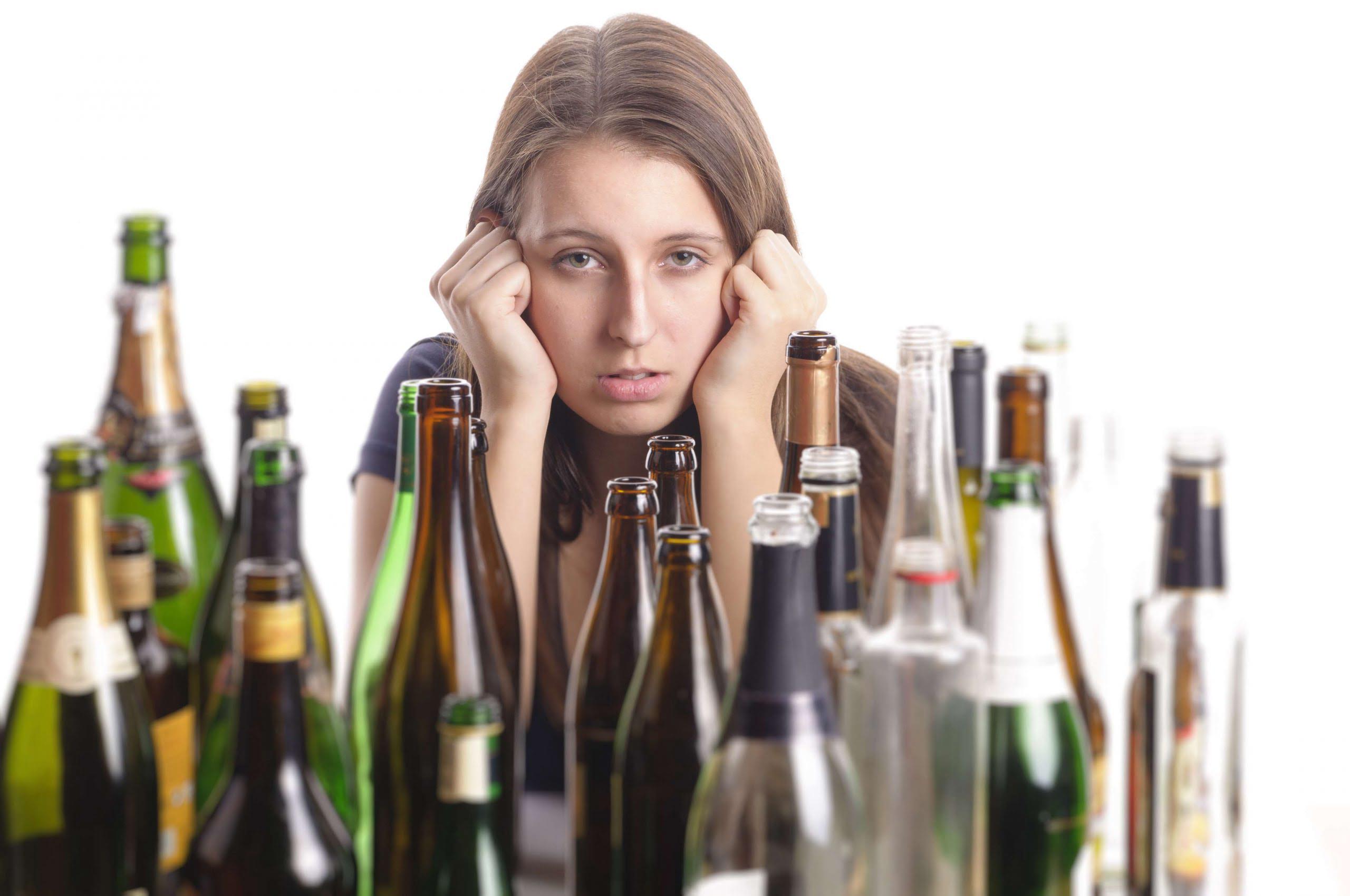
Biology has a lot to answer for here, says Dr Kate Burns, a menopause specialist and GP working with Health & Her. Most importantly, keep in mind that drinking excessively is what will get you in the most hot water. Binge drinking is a form of drinking that has many health risks — and there’s no exception for it even during the cold. This is particularly dangerous if you have heart problems, as it can lead to increased heart rate, risk of arrhythmias and the masking of other cardiovascular symptoms. It can also affect your sleep, increase inflammation in the body, and cause weight gain if you’re not careful about calories in those umbrella drinks. Put simply, the body doesn’t handle the alcohol in the same way does alcohol make you hot as drinkers without the mutation.
Seek support
Dressing for the weather and paying attention to the other substances you are consuming with alcohol can increase your safety while drinking. There is no scientific evidence to support the claim that warm beer makes you drunk faster 235. The assertion that warm beer accelerates the intoxication process lacks substantiation 23. The effects of alcohol consumption on intoxication are primarily determined by the amount of alcohol consumed rather than the temperature of the beverage 5. To manage the heat sensation caused by alcohol, it’s crucial to stay hydrated and pace yourself while drinking. Drinking water between alcoholic beverages can help maintain hydration levels and reduce the risk of dehydration.
Alcohol and the Brain’s Thermostat
Hot flashes during menopause are typically more intense and can last longer than those caused by alcohol. Menopausal hot flashes also tend to occur more frequently and at random times throughout the day. In the next section, we will explore factors that influence alcohol-induced hot flashes, as well as strategies for managing hot flashes while consuming drug addiction alcohol. It is also important to note that if your diabetes is poorly managed, you may exhibit symptoms of hyperhidrosis. Secondary hyperhidrosis is the excessive sweating caused by an underlying medical condition. It can occur in any area of the body, but most commonly affects the armpits, palms, and feet.
What are Hot Flashes?
People who drink heavily or regularly may have night sweats several hours or days after consuming alcohol. Night sweats are a common symptom of alcohol withdrawal, which often affects people with alcohol use disorder (AUD). If you are suffering from alcohol misuse or addiction, you may experience night sweats as a symptom of alcohol withdrawal. Night sweats in this context tend to resolve over time, but can persist for several days.
Feeling flushed or warm while drinking is typically caused by a genetic deficiency in the enzyme ALDH2, which is responsible for breaking down acetaldehyde. CATCH Recovery is an addiction treatment provider that offers in-person and online treatments for a range of conditions, including alcohol misuse and addiction. Our friendly and experienced team is dedicated to providing comprehensive and personalised care to every patient.
A more serious side effect of heavy drinking is a yellowish tint in the whites of your eyes. This is a sign of jaundice and the beginnings of liver disease or cirrhosis. Binge drinking is defined as 4 or more drinks for women or 5 or more drinks for men on one occasion. Heavy drinking is defined as 8 or more drinks per week for women and 15 or more drinks per week for men. Fortunately, most skin damage from drinking too much is reversible, but it’s important to understand what’s happening with your skin to kickstart those changes. Hone is an online clinic that helps men and women manage their health.
This can result in a false sense of warmth that can be dangerous in frigid temperatures.
Here’s what happens when you’re having an alcoholic drink in the cold.
The effects of alcohol on intoxication primarily depend on the amount of alcohol consumed, not the temperature of the beverage 235.
Biology has a lot to answer for here, says Dr Kate Burns, a menopause specialist and GP working with Health & Her.
The conversion of alcohol into metabolites generates heat, which contributes to an overall sensation of warmth. When you drink alcohol, it’s absorbed into your bloodstream through your stomach and small intestine. From there, it travels to your liver, where it is metabolized into acetaldehyde and then into acetate.
The National Institute on Drug Abuse (NIDA) suggests that 40% to 60% of people with substance use disorders experience a relapse at some point. You may also consider joining an online support group to help you feel less alone. It might also be worth checking out a 12-step program in your area, like Alcoholics Anonymous or SMART Recovery, to see if it feels like something that might be useful for you. You might run into obstacles along the way that tempt you to drink. Keep in mind the reasons you chose to cut back on or quit alcohol. At the end of the day, one of the most important tools you have at your disposal is self-compassion.
There are so many options, it’s likely there’s one out there for you – and switching means you can enjoy the health benefits of drinking less without losing your social life.
It’s often easier to turn down a drink when you don’t have to do it alone.
Perreault K, Bauman A, Johnson N, Britton A, Rangul V, Stamatakis E. Does physical activity moderate the association between alcohol drinking and all-cause, cancer and cardiovascular diseases mortality?
Sometime between days 5 and 7, moderate to severe withdrawal symptoms typically lessen.
No matter your situation, Dr. Das emphasizes the power of enlisting help as you embark on a life sans booze.
Talk to Your Doctor
The first thing you have to do is take a step back and evaluate your habits. That means looking at your relationship with alcohol so you can understand why you drink, when you drink and how much you drink. Exploring, in writing, what you find difficult and when you most want to drink can help you notice patterns that offer more insight into your alcohol use. Comparing the emotions that come up when you have a drink with the feelings you experience when abstaining also helps you recognize when drinking how to stop drinking doesn’t fix the problems you’re trying to manage. Maybe you’ve never been interested in logging your innermost thoughts, but journaling can be a great tool to track your feelings as you work on quitting alcohol.
Expert Tips For Reducing Your Alcohol Consumption
It doesn’t require any special equipment or extensive training—just a few moments of focused breathing or mindfulness can set the process in motion.
From month-long sobriety challenges to the Sober Curious movement, more and more people are taking a closer look at the role alcohol plays in their lives.
However, deep reflection may help uncover where internal triggers arise.
However, with the right tools and support—like those offered by Reframe—you’re equipped to navigate these challenges effectively.
But I still have a good time, and the occasional early exit feels like a small price to pay for feeling fresh the next day. While I didn’t miss drinking, I did miss pubs, music and having a bit of a dance, so I tried these activities sans-alcohol. At first I felt a little out of place, and my moves were far less flamboyant than before, but after a while I settled into things and enjoyed myself.
Best for Women: Women for Sobriety (WFS)
Remind yourself of why you want to cut back, talk to a friend about it and distract yourself with a hobby or exercise, the NIAAA suggests. You might reach for alcohol when you’re really just thirsty, says Crews. Drink a cup of soothing tea or a tall glass of water before you imbibe—once your thirst is quenched, you may not feel the need for as much—or any—alcohol. Get helpful tips and guidance for everything from fighting inflammation to finding the best diets for weight loss…from exercises to build a stronger core to advice on treating cataracts. PLUS, the latest news on medical advances and breakthroughs from Harvard Medical School experts.
Withdrawal risks
The alcohol content in specific beer, wine and liquor products differs. You can use the guidelines to get an idea of how many standard drinks you’re used to. Experts at The HAMS Harm Reduction Network, which comprises doctors, social workers, therapists and other experts, recommend using beer to taper because it’s easier to get drunk from liquor or wine. Sometime between days 5 and 7, moderate to severe withdrawal symptoms typically lessen. If you answer “yes” to two to three questions, your symptoms align with mild AUD.
How to Set Goals to Stop Drinking: A Practical Guide
If your alcohol consumption has been heavy or chronic, you may be dependent on alcohol. This means that if you suddenly stop drinking, you may experience symptoms of alcohol withdrawal. Depending on what your alcohol habit was like, you may experience fewer or more withdrawal symptoms as you cut back. Fortunately, these withdrawal symptoms shouldn’t last very long — about a week — but listen to your body in case something feels abnormal during this time. Try to stay focused on your end goal, and call your doctor if something doesn’t feel right. Since alcohol is relatively easy to get, legal to consume for those 21 and older, and is somewhat socially acceptable, it is one of the most widely-used intoxicating substances.
Frequently reminding yourself and the people close to you why you want to stop drinking can help keep you on track, and may even encourage someone else to give up or cut down with you.
This page will help you understand about the best method to help you to stop drinking – as well as our world famous top tips to quit drinking.
With a better awareness of their consumption and the effects alcohol may have, a person may be more willing to quit.
I personally used to worry that I wouldn’t be strong enough to stay sober.
Need more alcohol support?
Answer 5 quick questions to get your free mind plan from Every Mind Matters – including tips to help you deal with stress and anxiety, improve your sleep, boost your mood and feel more in control. Your mental wellbeing is just as important as your physical health. There’s lots of help out there, from your GP and counselling to alcohol support services. The more you drink, the higher your risk of serious health problems, including hypertension, stroke and cancers, including breast cancer.
Our study also reveals non-significant CVD risk between modest-drinker and non-drinker (Table 2). However, in terms of expanded CVD (i.e., CVD plus type 2 diabetes and kidney disease), the risk is significantly reduced by 14% compared to non-drinkers. Consistent with our results, other studies also revealed the reduced type 2 diabetes risk among modest drinkers in both Western and Asian populations by improving the insulin sensitivity7,9,29,39. One of the most notable ways in which alcohol reduces longevity is through raising blood pressure, which puts strain on the heart over time. It’s important to note that these findings are based on aggregated data and individual experiences may vary. One of the most well-known health consequences of alcoholism is alcoholic liver disease.
It’s important to remember that every person’s journey is unique, and finding the right combination of strategies and resources that work for them is crucial for long-term success and well-being. It’s important to address the issue of substance abuse comprehensively, considering both alcohol and cigarette use. Effective interventions and treatment options should focus on encouraging individuals to quit both substances, as the combined impact can have a greater negative effect on overall health and well-being. Research suggests that individuals who abuse alcohol and cigarettes face a higher risk of developing various health issues compared to those who abuse either substance alone. The combination of alcohol and cigarette use can lead to a synergistic effect, where the harmful effects of one substance amplify the negative outcomes of the other.
Two or more drinks per day—have been consistently linked with reduced life expectancy. In recent decades, per capita alcohol consumption in the United States has been steadily increasing. As alcohol use rises, understanding its effects on our mental and physical well-being—particularly on longevity and life expectancy—becomes increasingly important (1). Exploring the connection between recovery from alcoholism and life expectancy reveals crucial insights into how treatment can enhance quality of life for individuals struggling with alcohol dependence. These calculators, while informative, should be used with an understanding of their limitations. They cannot account for all individual health variables or predict the exact impact of alcohol on a person’s life expectancy.
In addition to their own inherited risk for later alcoholism, many children of alcoholics have serious coping problems that may last their entire life. Searidge Foundation is a not-for-profit drug and alcohol rehab located in Nova Scotia. In addition to providing personalized treatment, we try to create articles and resources that are useful to those suffering directly and indirectly from addiction and substance abuse. Our liver, which is in charge of metabolizing alcohol, breaks it down into a toxic compound known as acetaldehyde.
Samba Recovery never miss an opportunity
Our state-specific resource guides offer a comprehensive overview of drug and alcohol addiction treatment options available in your area. Alcoholics are particularly at risk from conditions that result from insufficient levels of B vitamins. Folate or folic acid (vitamin B9) is one of these vitamins that A Guide To Sober House Rules: What You Need To Know should be supplemented, as insufficient levels can lead to anemia.
Defining What Type of Drug Is Alcohol
In cases like this, death by alcohol from end-stage alcoholism was the overall cause. Still, some more short-term impacts of heavy drinking can become deadly, including alcohol poisoning. Automobile accidents due to driving under the influence are also a common cause of death, as is violence or suicide after heavy drinking. Alcoholism is a serious condition that can have detrimental effects on both physical and mental health. Seeking treatment and support is crucial for individuals struggling with alcoholism to improve their well-being and potentially extend their life expectancy. Understanding the factors that influence life expectancy in individuals struggling with alcoholism https://thecinnamonhollow.com/a-guide-to-sober-house-rules-what-you-need-to-know/ is essential for comprehending the impact this disease can have on one’s overall health and well-being.
Causes of Death
This is dramatically shorter than those in the general population, with alcoholics dying 24 to 28 years earlier on average. People with alcohol use disorder (AUD) face a significantly higher risk of premature death compared to the general population. Studies have shown that individuals with AUD have a four-fold greater risk of dying early.
The Importance of Employment Support During Recovery
For example, if liver damage is caught early enough, the liver may be able to regenerate healthy tissue.
Understanding the impact of alcoholism on life expectancy is crucial for assessing the long-term health consequences of heavy alcohol consumption.
Yes, genetics can influence susceptibility to alcohol-related health issues, such as liver disease or addiction, which may impact life expectancy.
One of the most notable ways in which alcohol reduces longevity is through raising blood pressure, which puts strain on the heart over time.
Many people begin their recovery journey through detoxification, followed by rehabilitation programs that focus on behavioral therapy and counseling.
As shown in Table 1, the alcohol consumption rate is quite different between males and females.
Emily is an experienced content writer with 6 years’ experience in the healthcare industry. She studied Psychology at Bath Spa University and now lives in Manchester with her husband… Searidge Alcohol Rehab is a leading detox and residential addiction rehabilitation center proudly serving the Atlantic community from Nova Scotia, Canada. We recently launched our in-app chatbot, Melody, powered by the world’s most powerful AI technology.
The timeline varies, but many people experience improvements in liver function, blood pressure, and mental clarity within weeks to months of quitting alcohol.
Individuals who stop drinking may live slightly longer than those who don’t stop.
Medications and medical support are essential during this brief but important first step toward recovery.
The permanent effects that can result from long-term drinking are difficulty with problem-solving, long-term memory loss, deficiencies in short-term memory, and difficulties paying attention.
Thus many alcoholics that are addicted to alcohol are also addicted to cigarettes.
It can also help you address any physical health problems caused by your drinking and improve your overall well-being. Another study published in the journal Addiction examined the impact of alcoholism on mortality rates over a 20-year period. The results showed that alcoholics had a substantially higher risk of death from various causes, including liver disease, cardiovascular disease, cancer, and accidents.
Alcoholism is a chronic and progressive disorder characterized by an individual’s inability to control or stop their alcohol consumption despite negative consequences. It is a complex condition that affects not only the individual but also their physical and mental health, as well as their relationships and overall well-being. These limitations make it hard to know how much to rely on studies that find health risks (or benefits) to alcohol consumption. In conclusions, modest drinkers, no more than one drink a day, had benefits and could gain nearly 1 year in life expectancy, in contrast to a loss of nearly 7 years if drinking more than that. The loss exceeded 10 years if drinkers also smoked, as did majority (65–80%) of drinkers. Given the reality that drinkers are prone to cross the line, clinicians should balance the risks and benefits of drinking, as well as the understanding of whether the patient is at risk for addiction.
Discover the need for drug addicts recovery, from overcoming challenges to embracing healthier lifestyles. Discover the life-changing benefits of rehab centers in PA, your key to lasting recovery from addiction. Unravel what benzodiazepines are, their uses, side effects, and mental health impacts in our revealing guide. An older study from 2005 found that spirits with 40% alcohol content will absorb slower into the body, whereas sherry, which has 20% alcohol content, will absorb into the body quickly. Much of this is due to societal advances such as vaccines, antibiotics, public health infrastructure, sanitation, hygiene, earlier diagnoses, and increased public awareness about health and longevity. You can expect to hear about more research, debate, and controversy in the near future regarding the potential risks and benefits of drinking, and how much — if any — is ideal.
Recovery and Spending Time in Nature
Current CDC guidelines recommend that men consume no more than two drinks per day, while women should limit their intake to one drink per day. Support from family, friends, and professional counselors plays a pivotal role during recovery, helping individuals develop coping strategies and build resilience against triggers. The Global Burden of Disease Study underscores the sobering reality that alcohol consumption is a major contributor to premature mortality worldwide. The consumption of alcohol has a wide spectrum of effects on health, with both immediate and lasting implications. Alcoholics are likely to experience occasional instances of violent vomiting, which causes tears at the point where the stomach meets the esophagus. Reframe supports you in reducing alcohol consumption and enhancing your well-being.
Alcohol use disorder is a progressive disease that includes a beginning, middle, and end stage, which can result in life-threatening health conditions. It’s not often talked about, but left untreated, alcohol use disorder can be a fatal disease. In fact, it contributes to about 88,000 deaths annually in the U.S., making alcohol the third leading preventable cause of death in the United States. End-stage alcoholism, or late-stage alcoholism, is the final stage of an alcohol use disorder, resulting in serious physical and mental conditions as well as other life consequences from years of alcohol misuse. Table 1 shows the distribution of the demographic characteristics of the MJ Health Screening Center (MJ) cohort by drinking status. There were 339,267 (78.8%) participants without drinking, 60,309 (14.0%) modest drinkers, and 30,440 (7.1%) regular drinkers.
Some people may need to avoid alcohol entirely—especially those with kidney, liver, or heart conditions. Sparkling water, without added sugars or artificial sweeteners, is generally a much healthier option than soda. However, some sparkling waters are acidic, so moderation is still recommended. Early signs may include increased frequency of urination, especially at night, foamy urine, and swelling in the ankles and feet. These symptoms can be subtle, so regular check-ups with a doctor are crucial. Even occasional consumption can contribute to long-term kidney problems.
Signs of Kidney Damage From Alcohol
Acute kidney injury is a type of kidney failure that lasts only a few weeks.
If caught early enough, kidney damage from alcohol may be reversible.
Binge drinking can cause severe increases in blood pressure, while heavy drinking over time causes chronically high blood pressure.
Regular excessive drinking doubles the risk of chronic kidney disease, which doesn’t disappear over time.
The kidneys can become enlarged due to thickened glomerulus tissue and swollen kidney tubules.
Anyone noticing these symptoms, particularly in the context of regular alcohol use, should seek medical evaluation.
Our trained professionals are here to support you in any part of your sobriety journey. Alcohol consumption can affect your overall health and consuming excessive amounts can have dangerous results. Increased alcohol consumption can also lead to can drinking cause kidney pain alcoholism and addiction. Alcohol can also lead to liver disease, which slows the flow of blood to the kidneys.
Treatment May Be Fully Covered. Verify Your Benefits Today
Heavy alcohol use may exacerbate or worsen inflammatory responses in the kidneys, making the development of glomerulonephritis more likely. Chronic inflammation can hamper the kidney’s filtration capacity, sometimes leading to permanent kidney damage and progressing to chronic kidney disease. While one diet soda per day did not show a significant impact on kidney function, drinking two or more diet sodas appeared to cause problems. In a study of over 3,000 women, those who drank several diet sodas a day experienced a 30% greater reduction in kidney function over 20 years. Additionally, in a separate study of 8,000 individuals, more than 10% of those who drank two sodas per day developed proteinuria, a risk factor for end-stage kidney disease. Drinking too much alcohol can dehydrate your body and force your Sober living house kidneys to work harder.
The symptoms of a bladder infection are pain while urinating, cloudy or bloody urine, frequent urination, foul-smelling urine, and cramping or pain in the lower back or abdomen.
Alcohol also can worsen protein in urine, which is one of the earliest measurable signs of kidney filtration issues.
This heightened metabolic activity and filtration demand can strain the kidneys, contributing to discomfort or pain.
Kidney stones are hardened deposits of salt and minerals that do not filter properly through the kidneys.
These scenarios arise from stones, infection, trauma, and more.
What Are the Symptoms of Kidney Pain from Drinking Too Much Water?
If quitting alcohol is difficult but essential for your health, we are here to help. We take a compassionate approach to treatment and ensure medical stabilization along the way. Beyond a one-time consult, the app tracks symptoms, adjusts plans, and keeps you connected with clinicians—an ongoing partner in kidney health. Only about one in three people who feel pain in the “kidney area” actually have a kidney source; the rest feel muscle strain, spinal issues, or intestinal gas. Kidney pain is typically deep, one-sided, and unaffected by movement, whereas muscle pain sharpens when you twist or press on the area.
Pain in the kidneys could also be an indicator of kidney cancer, bleeding in your kidneys, polycystic kidney disease (PKD), or blood clots in your kidneys. It’s important to schedule an appointment with your urologist if pain is persistent or severe, or if you are experiencing the symptoms of a kidney infection. Unfortunately, alcohol consumption may have serious health consequences for many parts of the body, including the kidneys. Understanding the link between alcohol use and its risk to the kidneys is essential for making informed health decisions.
Studies show that heavy drinking—defined as more than 14 drinks per week for men and 7 for women—doubles the risk of developing kidney stones compared to moderate or non-drinkers. Chronic alcohol use poses a more severe threat to kidney function. Long-term consumption can lead to kidney disease, including alcoholic nephropathy, a condition where the kidneys lose their ability to filter blood effectively. Studies show that individuals who consume more than 28 grams of alcohol daily (roughly two standard drinks) for over five years are at higher risk.
Alcohol and Your Kidneys
When you drink too much water without replenishing electrolytes properly, these minerals get diluted. If you still have further doubts and questions like “Is drinking water at night bad for kidneys” then you must contact the best urologist doctor in Patna. This is because medicines are processed through the kidneys and it needs more water to flush out the waste products created by these medications.
While the harmful effects of alcohol on the kidneys are a lesser-discussed topic, they are no less significant.
However, these symptoms do not always mean you have kidney cancer — many other health problems can also cause these symptoms.
A blockage of blood to the kidney is called a renal infarction or a renal vein thrombosis. This happens when the blood supply to and from the kidney is suddenly slowed or stopped. If you have a large cyst, your doctor may recommend a simple procedure to remove it. Afterward, you’ll likely need to take a dose of antibiotics to prevent an infection. A large kidney cyst can cause a painful complication called hydronephrosis.
This type of urinary tract infection begins in your bladder or urethra and spreads to one or both kidneys. If you have a kidney infection, drinking alcohol will increase your discomfort. Hard deposits of minerals can build up in your kidneys over time. Kidney stones can range from very tiny (smaller than a grain of sand) to larger than a pearl. Since alcohol causes you to urinate more often than usual and dehydrates you, heavy drinking can increase your chances of developing a kidney stone and lead to kidney pain.
In addition to alcohol use, many other factors can cause high blood pressure. In some cases, moderate to high levels blood pressure and alcohol of alcohol may cause blood pressure to rise. Alcohol increases the risk of several other short- and long-term health issues. One recent study in the Journal of the American College of Cardiology found that in 17,059 participants, those who drank moderately and those who drank heavily were both at significantly higher risk of high blood pressure than those who never drank.
Norton Community Medical Associates
The answer, as with many things in health and science, is not entirely straightforward. The new report released on August 14 highlights that both systolic and diastolic blood pressure tend to rise with continued alcohol use. Individuals who abstain from alcohol altogether were found to have the lowest risk of developing hypertension, while those who cut their alcohol intake by at least half showed significant improvements in blood pressure. Another study, this time in the Journal of the American Heart Association, indicates that binge drinking increases blood pressure levels in men but not women.
McCaul 1991 published data only
Because the participant population comprised predominantly young and healthy normotensive men, the overall evidence generated in this review cannot be extrapolated to women and older populations with other comorbidities. This review summarises the acute effects of different doses of alcohol on blood pressure and heart rate in adults (≥ 18 years of age) during three different time intervals after ingestion of alcohol. Regular or heavy drinking can raise cortisol levels, which may contribute to elevated blood pressure and other cardiovascular risks. Elevated cortisol, known as the stress hormone, can also lead to increased inflammation and damage to blood vessel walls, further raising the risk of heart disease. Drinking alcohol regularly—more than one drink per amphetamine addiction treatment day for women or two for men—can gradually lead to sustained high blood pressure, also known as hypertension.
Shai 2015 published data only
We did not see any significant change in blood pressure or heart rate after that, but the evidence was limited.
The new report released on August 14 highlights that both systolic and diastolic blood pressure tend to rise with continued alcohol use.
If you hope that moderate drinking is good for you, that idea is falling out of favor.
To help navigate these occasions, we’ve sought advice from expert doctors on which types of alcohol you should avoid if you’re trying to protect your heart health. If you take https://ecosoberhouse.com/ any blood pressure medications, it is important to have your blood pressure monitored for changes and have a medical provider evaluate your condition before making any dose adjustments. Beyond the stabilization phase, there is an advantage to abstaining from alcohol use.
We publish material that is researched, cited, edited and reviewed by licensed medical professionals. The information we provide is not intended to be a substitute for professional medical advice, diagnosis or treatment. It should not be used in place of the advice of your physician or other qualified healthcare providers. Another thing to keep in mind is that alcohol and anti-seizure medications can cause similar side effects, such as fatigue, drowsiness, dizziness, and blurred vision.
Get Help for Alcohol Withdrawal Seizures
Additionally, if a seizure cannot be stopped or multiple seizures occur in rapid succession, it could result in permanent injury or prove fatal. Before a seizure, people may experience an aura or feel a change in sensation — such as smell, taste, sound, or vision — due to abnormal activity in the brain. When people stop consuming alcohol after chronic use, they lose the inhibitory effects of the GABA receptors, resulting in the central nervous system being overstimulated. This may be due to alcohol’s effect on the brain, sleep, and anti-seizure medications. BetterHelp offers affordable mental health care via phone, video, or live-chat.
Alcohol may negatively affect sleep, and sleep disruptions may trigger seizures. For people with epilepsy, alcohol may interact with epilepsy medications and worsen their side effects or make the medications less effective in preventing seizures. Heavy drinking, particularly withdrawal from heavy drinking, may trigger seizures in those with epilepsy.
How Alcohol Affects the Brain
Seeking treatment at a professional alcohol rehabilitation facility can help you significantly reduce or stop your drinking.
Alcohol does not typically cause seizures when consumed in moderation.
Epilepsy is defined as a spectrum of disorders that involve the central nervous system (brain and spine).
American Addiction Centers (AAC), the parent drinking out of boredom company for Alcohol.org, is a nationwide provider of treatment providers and works to ensure recovery is accessible to everyone in need. We offer a combination of proven therapies and services to meet your individual needs. We are also equipped to treat co-occurring disorders such as depression, anxiety disorders, PTSD and others.
Alcohol does not typically cause seizures when consumed in moderation. However, heavy alcohol use or binge drinking can sometimes trigger seizures, especially in people with an underlying seizure disorder (epilepsy). Additionally, there are studies linking excessive alcohol consumption with an increased risk of developing epilepsy. Alcohol-induced seizures are triggered by alcohol withdrawal in people with a long history of drinking. Alcohol withdrawal seizures can occur a few hours to a few days after a person stops drinking after chronic alcohol abuse. group ideas for substance abuse When people talk about alcohol seizures, they usually mean alcohol withdrawal seizures.
Furthermore, seizures seemed particularly likely if the participants did not regularly drink that much alcohol. Others have seizures when they try to quit drinking after long periods. These can be life-threatening episodes, so it’s critical to know what they look like and how they’re treated. Another one of the big reasons people with epilepsy are warned not to consume alcohol is that many of the anti-seizure and anti-epileptic drugs that treat epilepsy do not mix well with alcohol. Most of these medications lower your alcohol tolerance, causing you to become intoxicated or feel the effects of alcohol more quickly or severely.
According to the Epilepsy Foundation, some studies have linked chronic alcohol misuse to the development of epilepsy. However, there have been reports that the risk of seizure increases in an alcohol-dependent person who misuses a sedative and takes nonsedative AEDs. When alcohol withdrawal syndrome sets in, seizures may arise within approximately 6 to 48 hours. Your provider may recommend specific services based on your seizure history. For example, if you have experienced seizures, you may need to participate in inpatient detox supervised by medical professionals rather than detoxing in an outpatient setting.
Professional help is also available for those struggling with alcohol addiction. Alcohol poisoning can lead to seizures, but these may not result from the alcohol intake itself. Lower liberty cap characteristics blood sugar or head trauma caused by a sudden fall could be the underlying cause. Clearly, people diagnosed with epilepsy have different answers to the question, “Does alcohol affect epilepsy? ” This can be confusing — especially if you or someone you love has been newly diagnosed with epilepsy and is deciding whether or not to drink.
The Link Between Alcohol and Epilepsy
However, someone who is having an alcohol withdrawal seizure may not need any trigger other than stopping alcohol use. Alcohol withdrawal seizures can occur within a few hours or up to 72 hours after stopping drinking. We have an experienced team of healthcare providers who can manage alcohol-related seizures during the withdrawal phase and keep you safe and comfortable.
Epilepsy
During the detoxification process, primary and secondary preventative measures can be taken. A meta-analysis of randomised, placebo-controlled trials for the secondary prevention of seizures after alcohol withdrawal showed lorazepam to be effective, whereas phenytoin was ineffective. Because withdrawal seizures do not recur if the patient remains abstinent, long-term administration of antiepileptic drugs is unnecessary in abstinent patients. The treatment of alcohol dependence is more important and should be prioritised before the prevention of further seizures. Alcohol withdrawal can trigger seizures and people with epilepsy are at a higher risk of experiencing alcohol seizures.
Get you or your loved one help for addiction or mental health issues today. Cutting back on the amount or frequency of drinking can reduce these risks. The cost of excessive alcohol use impacts everyone, whether they drink or not. Furthermore, there are rehabs managed by statutory-funded sources.
Evidently, daily drinking is a nationwide issue that is closely linked to binge drinking.
At 12 South Recovery, we offer evidence-based treatment approaches tailored to each individual’s needs.
In 2015, nearly 10,500 traffic deaths in the United States in 2015 were related to alcohol use — that’s 28 percent of all traffic fatalities.
Anxiety and Depression
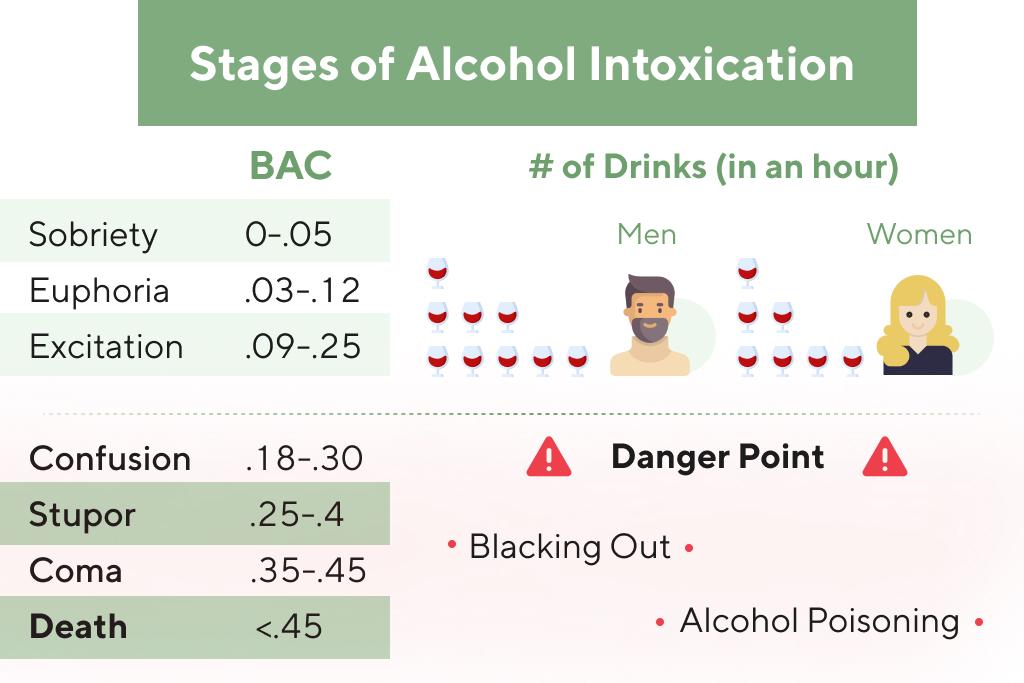
Too much alcohol affects your speech, muscle coordination and vital centers of your brain. A heavy drinking binge may even cause a life-threatening coma or death. This is of particular concern when you’re taking certain medications that also depress the brain’s function. Binge drinking isn’t necessarily an indicator that you or a loved one has alcohol use disorder (also known as alcoholism), which is a dependency on alcohol consumption. While you can’t force a loved one to abandon their binge drinking habits, voicing your concerns and offering support in the right way may help motivate them to change their ways. If you have trouble stopping drinking once you start, these tips can help you build a healthier relationship with alcohol.
NA and Other Peer Support Groups for Drug Addiction
These may help them gain control of their drinking habits or even stop drinking altogether. Some options may include finding replacement activities or seeking professional help. To aid in recovery, individuals may seek various supports, including therapy focused on rebuilding relationships after addiction. Understanding these long-term consequences is crucial for individuals currently experiencing substance misuse, as knowledge can empower them toward healthier choices and a path to recovery.
Who binge drinks?
BetterHelp is an online therapy service that matches you to licensed, accredited therapists who can help with depression, anxiety, relationships, and more.
While many individuals notice positive changes after reducing or stopping alcohol consumption, those with trauma-related issues may require additional professional help to effectively address underlying concerns.
It might seem convenient when you have company over, but it also makes it easier to reach for multiple drinks while you’re alone.
Most American adults drink alcohol at least occasionally, but about 1 in 4 knock back several drinks in a short period of time at least once a year.
Some people have a much harder time knowing their limits than others. They may genuinely not realise that the amount of alcohol they are drinking is excessive, or they may find themselves getting drunk too quickly without intending to. After a heavy drinking session, people are more likely to have unprotected sex, which could result in unintended pregnancy or a sexually transmitted infection. Ongoing research continues to improve our understanding of how to address the persistent and costly problem of harmful and underage student drinking. Successful efforts typically involve a mix of strategies that target individual students, the student body as a whole, and the broader how to stop binge drinking college community. Drinking at college has become a ritual that students may see as an integral part of their higher education experience.
Also, men who binge drank over 12 times annually had a 121.8 mm Hg average systolic blood pressure compared with 119 and 117.5 for less frequent and non-binge drinkers, respectively. If your pattern of drinking results in repeated significant distress and problems functioning in your daily life, you likely have alcohol use disorder. However, even a mild disorder can escalate and lead to serious problems, so early treatment is important. Alcohol use disorder is a pattern of alcohol use that involves problems controlling your drinking, being preoccupied with alcohol or continuing to use alcohol even when it causes problems.
Take the First Step Toward Recovery!
Heavy, long-term alcohol use can heroin addiction lead to alcoholic liver disease, which includes inflammation of the liver and cirrhosis. Or by depressing the gag reflex, which puts a person who has passed out at risk of choking on their own vomit. Binge drinking is defined as men consuming five or more drinks within about two hours. For women, it’s defined as consuming four or more drinks within about two hours.
Affected nerves include the peripheral nerves, primarily located in the arms and legs, and the autonomic nerves, which help regulate our internal body functions. About 46% of people with alcohol use alcoholism disorder will eventually develop this condition. In alcoholic neuropathy, the peripheral nervous system gets damaged, most probably due to alcohol abuse, as alcohol can be toxic for the nerves.
How is a Diagnosis of Alcoholic Neuropathy Made?
Excessive, long-term consumption of alcohol can lead to malnutrition as well as nerve damage, and both contribute to the development of alcoholic neuropathy.
Alcoholic-related neuropathy (ALN) is a serious and irreversible condition that can lead to severe pain and physical disability.
Loss of coordination, perhaps the most visibly disruptive symptom, underscores the profound impact of alcohol neuropathy on daily functioning.
You may need to be sedated for more than a week until the alcohol withdrawal symptoms go away.
Insufficient B12 can result in nerve damage, and chronic alcohol use impairs its absorption.
Alcoholism also often results in other medical conditions, such as liver disease and diabetes. These conditions can further increase the risk of nerve damage and intensify the symptoms of alcoholic neuropathy. If alcohol abuse continues or if the nerves have been severely damaged, the effects of alcoholic neuropathy may become permanent. But in some cases, if alcohol consumption is discontinued and appropriate treatment is sought, the nerve damage can alcoholic neuropathy age be reversed or significantly improved over time.
It’s also essential to seek treatment from a physician, as they possess the specialized knowledge to determine the best course of action.
These examples underscore the need for a dual focus on age limits and enforcement mechanisms.
Comparatively, underage DUI penalties are often harsher than those for adults with the same BAC level.
For severe cases, opioids may be considered, but their use is limited due to addiction risks.
What type of doctor should I see for Alcoholic Neuropathy (Alcohol-related Nerve Damage)?
In practice, these diagnostic tools are often used in tandem, each addressing different facets of alcohol neuropathy. This multi-modal approach ensures a comprehensive evaluation, guiding targeted interventions like thiamine supplementation, alcohol cessation, and pain management. However, clinicians must remain vigilant for false negatives, particularly in early-stage neuropathy, where damage may be too subtle for current tests to detect. Regular follow-ups and patient education are essential, as early intervention can prevent irreversible nerve damage. Furthermore, alcohol can cause nutritional deficiencies, including vitamin B, vitamin D, iron, zinc, and potassium. These deficiencies can impact muscle health and recovery, making individuals more susceptible to muscle cramps.
Drug Detox and Withdrawal Symptoms
In conclusion, a systematic physical examination focusing on reflexes, coordination, and sensory function provides invaluable insights into alcohol neuropathy. These assessments, when combined with a detailed patient history, can guide early intervention and management, potentially https://ecosoberhouse.com/ slowing the condition’s progression and improving quality of life. Pain in the extremities, ranging from mild discomfort to excruciating burning sensations, is a symptom that can significantly diminish quality of life. This neuropathic pain arises from damaged nerves misfiring signals to the brain.
What Are the Treatments for Alcoholic Neuropathy?
The main goal of a treatment program for alcoholic polyneuropathy is to improve quality of life and offer relief from symptoms. Alcoholic neuropathy is a condition that occurs as a result of excessive alcohol consumption. It is characterized by damage to the nerves in the body, leading to symptoms such as numbness, tingling, and weakness in the affected areas.
A healthcare professional can accurately diagnose the cause and recommend appropriate treatment, ruling out more serious conditions. Once your muscles have had some time to chill, that’s when you can start to stretch out your tight muscles, Huey explains. “The best move is called a cervical retraction or chin tuck,” he says. Additionally, alcohol consumption decreases the level of Alcohol Use Disorder B vitamins in the body, which can make headaches worse.
Dehydration and its Connection to Neck Pain After Alcohol Consumption
Drinks containing more alcohol and congeners may worsen the chance of https://ecosoberhouse.com/ developing a headache. Tension-type headaches are one of the most common types, affecting more than 70% of people. They cause mild to moderate pressure or pain that usually affects both sides of the head.
Fitness drinks
Learning more about your specific health history and drinking habits can help you better understand your risk of alcohol-induced headaches. At Monument, you can speak with a specialized physician, like myself, to get personalized information and care. Individuals who are already prone to have migraine headaches should be especially aware of alcohol-induced migraines. Roughly 3 in 10 migraine sufferers report that alcohol is a trigger at least some of the time. It’s estimated that about 85% of people are sober within 2 to 12 months of quitting alcohol and will reach full recovery within 5 years.
There have been several proposed explanations for how alcohol causes headaches.
While alcohol might initially induce a relaxing effect, it can later contribute to unconscious teeth clenching or grinding, known as bruxism, especially during sleep.
Additionally, alcohol can trigger inflammation in the body, including the neck area, which can cause pain.
The Reframe app is free for 7 days, so you don’t have anything to lose by trying it.
How Much Alcohol Can Cause a Headache?
But even moderate amounts of alcohol can induce headaches even in the absence of a hangover in some people.
Alcohol consumption can also cause the eyes to become dry and irritated.
A negative mood before drinking alcohol can predispose some people to migraine headaches independent of what they drink.
Persistent headaches could signify an underlying issue that requires attention, such as an alcohol intolerance, migraines, or other neurological conditions.
Dehydration causes brain cells to contract temporarily, also resulting in headaches. Ethanol is found in every alcoholic drink, and is a key reason why any form or amount of alcohol may contribute to headaches. Alcohol dependency or alcohol use disorder causes certain physical and mental health problems. But, drinking too much alcohol causes chemical changes in your brain. Furthermore, alcohol can also contribute to inflammation in the body.
Alcohol-related neuropathy is a condition caused by consuming large amounts of alcohol over a long period. The toxic effects of alcohol may damage your peripheral nerves, which play a role in movement and sensation. Alcohol-related neuropathy can go away if you stop consuming alcohol and follow your treatment plan.
What the Community Says About Alcohol-Induced Headache
Hangover headaches are common enough, but they can have an impact on daily life. Alcohol is a diuretic — it makes our body get rid of more water than usual. Our body responds to the presence of alcohol by increasing urine production. This diuretic effect leads to increased urine production, and we might find ourselves making more than the average number of trips to the bathroom. This fluid loss from increased urination, coupled with sweating, means our body faces dehydration.
Want To Have Healthier Drinking Habits?
If this happens, you might experience chest pain that spreads to your jaw and throat as well. The excessive use of alcohol can provoke a problem with jaws at first. The reason is that alcohol destroys the beneficial bacteria in the mouth while encouraging the growth of harmful bacteria. This situation can lead to oral health problems like cavities and infections.
Monument is an online alcohol treatment platform that can help provide support every step of the way. You can get peer support, and explore treatment options like therapy and medication to stop drinking. Intoxication can lead to neck and shoulder pain due to unconscious falls, dehydration, or intolerance. In some cases, gallbladder disorders why does my head hurt when i drink alcohol or lymphomas may cause the problem.
Her other culinary mission in life is to convince her family and friends that vegetarian dishes are much more than a basic salad. Some individuals find relief by chewing gum, swallowing frequently, or yawning to equalize the pressure in the ears. Applying warm compresses to the affected area may also help alleviate discomfort. The Reframe app equips you with the knowledge and skills you need to not only survive drinking less but to thrive while you navigate the journey. Our daily research-backed readings teach you the neuroscience of alcohol, and our in-app Toolkit provides the resources and activities you need to navigate each challenge.
This stage typically starts 3–5 years after you’ve stopped drinking. People often need to address past trauma or familial issues during this time. During this stage, most people focus their energy on coping with cravings and resisting the urge to drink. According to the National Institute on Alcohol Abuse and Alcoholism (NIAAA), recovery is a process that involves remission from AUD and quitting heavy drinking for good. By avoiding alcohol, you’re taking a big step toward improving physical health. As you begin to notice those health benefits, you’ll likely feel more energized and inspired to keep up your progress.
Because of this, it’s important to plan around the alcohol detoxification process carefully. Although detoxing from alcohol at home can have benefits, the early stages of sobriety pose a dangerous risk for medical complications. If you’re unable to reduce how much you drink, you may have a disease called alcoholism that requires professional addiction treatment. Alcohol rehab helps you taper off alcohol, and it treats other side effects and causes of alcoholism. That said, If you’ve been drinking excessively, then stopping drinking cold turkey can lead to withdrawal symptoms.
Risks of Self-Detox and Quitting “Cold Turkey”
The symptoms of alcohol withdrawal can range from mild to serious.
Most people recover from alcohol withdrawal within a week, but people with severe dependency may experience withdrawal for multiple weeks.
If you’ve been unable to quit on your own, you should consider attending an alcohol rehab center.
Some people prefer to perform self-detox in the comfort and privacy of their own homes.
Recovery from alcohol addiction generally follows the stages of abstinence, withdrawal, repair, and growth. Within just a month of not drinking, your body can begin to reap the benefits. Your liver can start to heal, your risks of heart disease and cancer go down, and you may begin to sleep better. Exploring, in writing, what you find difficult and when you most want to drink can help you notice patterns that offer more insight into your alcohol use.
The time it takes to taper will how to stop drinking out of boredom depend on how long you’ve been drinking, how much you’ve been drinking and a variety of personal factors. If you’re addicted to alcohol, it’s unlikely that you’ll be able to recover without some form of addiction treatment. You may be able to detox at home and recover from alcoholism with the help of support groups such as Alcoholics Anonymous. However, medically supervised detox and professional rehab are more likely to help you maintain long-term sobriety. Lack of control over alcohol intake is a common symptom of alcoholism. Addiction, tolerance and physical dependence encourage people to drink more alcohol over time, not less.
More on Substance Abuse and Addiction
Pull the letter out and read it to yourself when you feel tempted. It’s even helpful to read it out loud, as this has been shown to help you retain the information more effectively. Overall, the process can take weeks, and you might still feel withdrawal symptoms for months.
However, if you have a mild alcohol use disorder, it may be possible to detox safely at home. Be sure to receive a medical diagnosis if you would like to detox from alcohol at home. No health professional will be present if and when people experience severe withdrawal symptoms, such as seizures or death. While it’s the right decision, it may put them at risk of experiencing withdrawal. For their safety, stopping alcohol use should be handled under medical supervision.
How to Manage Alcohol Withdrawal Symptoms at Home
Dopamine also assists with the body’s sense of attention, motor coordination, cognition and mood. As the body begins to build a higher tolerance for alcohol, the brain becomes more dependent on the substance for feel-good neurotransmitters. When chronic heavy drinking is suddenly stopped, dopamine production alcohol storage ideas also halts, causing physical and psychological withdrawal symptoms. Just because you’re detoxing at home doesn’t mean you should do it alone.
How To Deal With Alcohol Withdrawal
Some people may feel so “broken” does water flush alcohol out of urine that they almost feel they can no longer experience joy and confidence, or have healthy relationships again. The mental challenge of this stage is not to let anything make you feel defeated. So far, there’s no consensus on the medical definition of recovery in alcohol treatment literature. At the end of the day, one of the most important tools you have at your disposal is self-compassion. Instead of criticizing yourself for having a hard time or slipping up and having a drink, remember that no one’s perfect.
You should plan to taper for between three and seven days depending on how much you’re used to drinking. Slowly reduce the amount of alcohol you consume each day until you reach sobriety. If you begin to experience serious withdrawal symptoms, drink enough to make the symptoms subside. You may be able to detox at home and still attend outpatient therapy or support group meetings. The brain compensates for the depressive effects of alcohol by increasing its activity.
It’s best to avoid these people during and following withdrawal. Early symptoms of alcohol withdrawal usually start about six hours after the last drink. Early symptoms include headache, sweating, tremors, vomiting and difficulty concentrating. The amount of time it takes to detox from alcohol depends on several factors, including whether you’re detoxing at home or with medical supervision. Detoxing at home usually takes longer because you should be cautious to avoid serious complications.
Sono una psicologa che opera nella provincia di Milano e Varese, presso diverse strutture pubbliche e private. Mi sono laureata all’Università Cattolica del Sacro Cuore di Milano, in Psicologia dello Sviluppo e della Comunicazione, e ho frequentato diversi corsi di specializzazione relativi alla clinica della fascia evolutiva ed adulta.