
Exploring the social dynamics of gambling Community or isolation
Exploring the social dynamics of gambling Community or isolation
The Dual Nature of Gambling: Community vs. Isolation
Gambling has long been perceived as a social activity, often associated with gatherings in casinos, poker nights among friends, or community events like bingo. In these settings, players share experiences, celebrate wins, and engage in online pokies for added excitement, supporting each other during losses. This communal aspect of gambling fosters social bonds, creating a sense of belonging that can be deeply fulfilling.
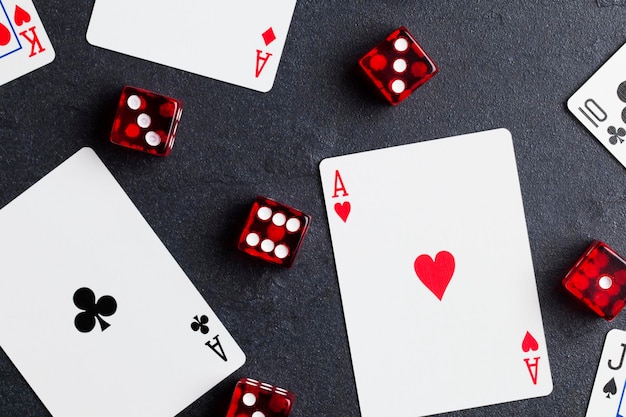
However, the other side of gambling paints a different picture. For many individuals, the pursuit of wins can lead to isolation. The compulsive nature of gambling may drive players to withdraw from social interactions, prioritizing their next bet over relationships with family and friends. This duality highlights the complex relationship between gambling and social dynamics.
The Role of Online Gambling in Social Isolation
With the rise of online gambling platforms, the dynamics of community and isolation have shifted significantly. While virtual casinos offer convenience and accessibility, they can also exacerbate feelings of loneliness. Players may find themselves engaging in solitary gaming sessions without the social interactions that traditional gambling provides.
This shift can be particularly concerning for those who might already struggle with social connections. Online gambling can create a false sense of community through chats and forums, but it often lacks the depth and emotional support found in face-to-face interactions. As players become engrossed in their screens, the risk of isolation increases, leading to potential mental health challenges.
The Social Benefits of Gambling Environments
Traditional gambling establishments can provide more than just a venue for games; they often serve as social hubs. Many casinos host events, tournaments, and live entertainment, drawing people together for shared experiences. These environments facilitate social interaction and can help strengthen community ties among participants.
Additionally, socializing in gambling settings can lead to networking opportunities and friendships that extend beyond the gaming table. Regular players often form bonds with staff and other patrons, creating a vibrant community that celebrates wins and supports one another during tough times. This aspect of gambling can serve as a protective factor against the pitfalls of isolation.
The Impact of Gambling on Mental Health
The relationship between gambling and mental health is complex and multifaceted. On one hand, the thrill of winning can bring temporary joy and camaraderie among players. On the other hand, the pressure to win can lead to stress, anxiety, and feelings of isolation when losses occur. The emotional highs and lows of gambling can significantly impact an individual’s mental well-being.
For those who engage in gambling compulsively, the isolation can become detrimental. The inability to control gambling habits may lead to shame and withdrawal from social circles. Recognizing the signs of gambling addiction is crucial for maintaining a healthy balance between community engagement and individual well-being.
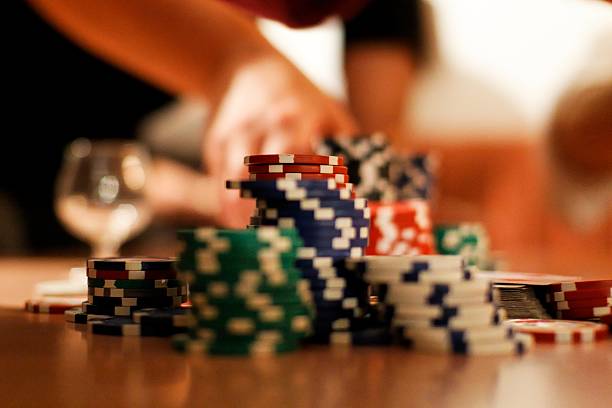
Resources for Responsible Gambling
For individuals looking to navigate the complexities of gambling while fostering a healthy social life, various resources are available. Websites dedicated to responsible gambling provide information on setting limits, recognizing signs of addiction, and finding support. These platforms emphasize the importance of maintaining social connections while enjoying the thrill of gambling.
Furthermore, community programs and support groups often offer safe spaces for individuals to share experiences and seek help. By prioritizing responsible gambling practices, players can enjoy the community aspects of gaming while minimizing the risks of isolation and addiction.

Write a Comment